
It’s actually a no-brainer: to perform clean slitting of vinyl films and non-wovens on a roll, you need a sharp blade. What exactly matters and why it’s best to have the blade re-sharpened by the manufacturer itself …
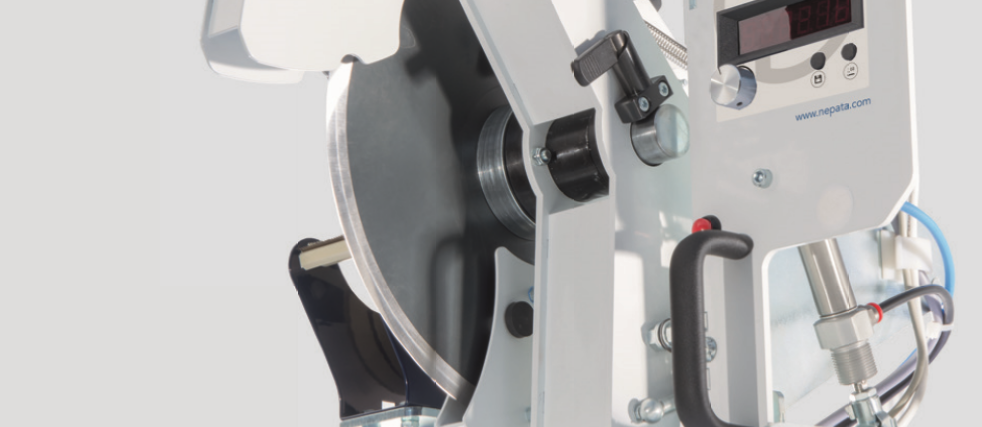
In any form of cutting process, the sharpness of the blade is crucial. This naturally also applies to the longitudinal cutting of vinyl films using a slitter on a roll. In day-to-day practice, this means: 1. Ensure you are using the correct blade – with the right sharpness for the specific application. NEPATA offers blades in various sizes, hardnesses and grinds for its ADWS slitting system. 2. Have the blade resharpened regularly – in such a way that it then functions effectively once more. Basic sharpness and final sharpness Firstly, for all applications we need a certain level of basic sharpness to ensure the cut is clean and does not require excessive force. There are certain applications where a high final sharpness of the slitting blade is also important to ensure the cut edges are particularly clean. This applies above all to all resilient, tough materials. But be careful: the blade must not be too sharp either, as this makes it very thin and brittle. You can see which blade and which grind are suitable for which purpose in this overview. The problem with blunt blades Blunt blades require more force when cutting and tend to crush the material rather than cutting it cleanly. This effectively smears material into the cut edges, which can lead to more fraying. In the case of adhesive films consisting of a top layer and silicone paper as the backing material, the paper may also give rise to unwanted dust formation.
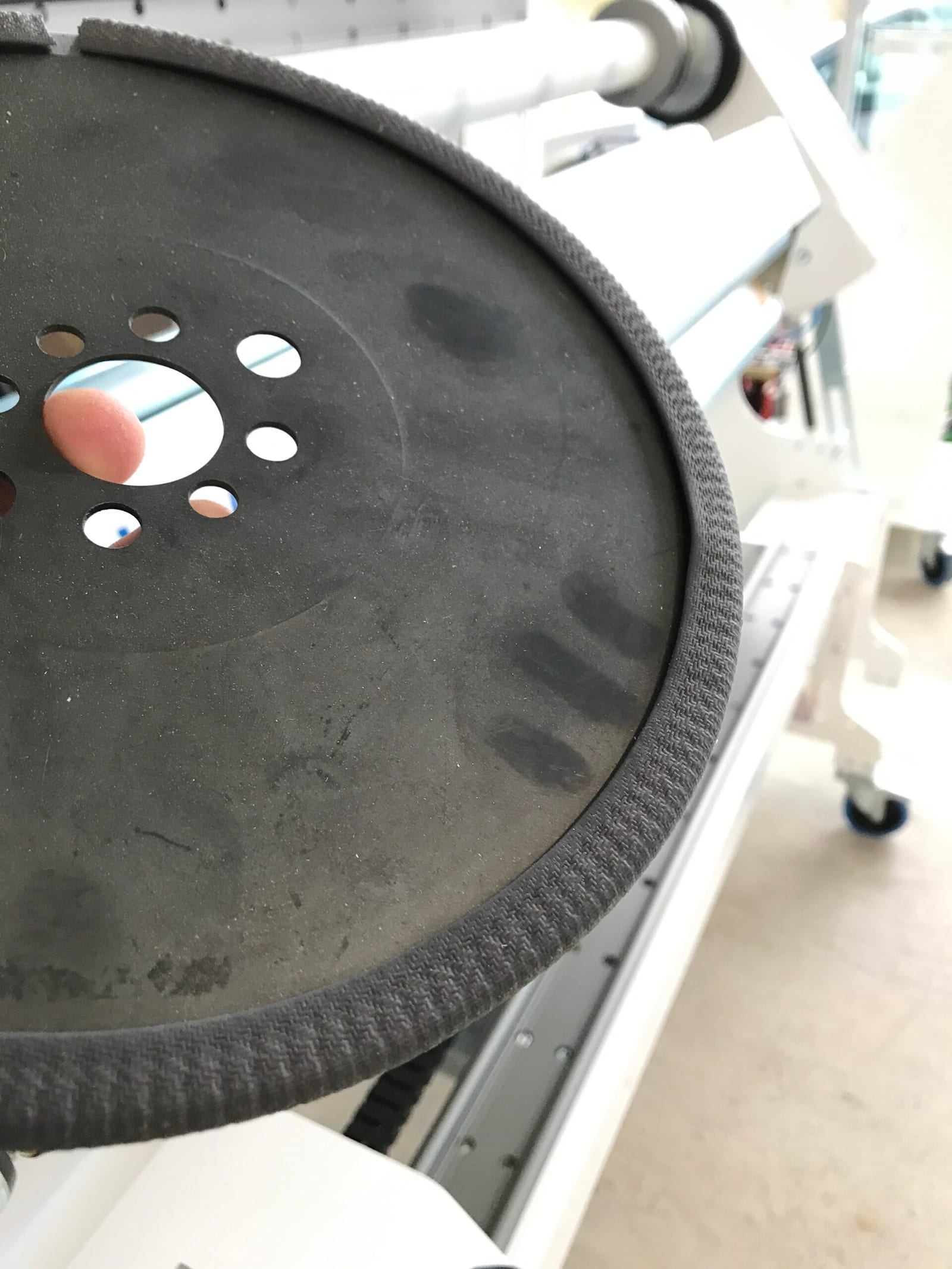
Regrinding should only be carried outby the manufacturer. To avoid this, you must have the slitting blades reground regularly and in good time (!). However, regrinding is not so straightforward that you can simply take the blade to a local tool-grinding service. Rather, you need to know which phases, which degree of sharpness, which hardness level, etc., are required for the blade in question. In the past, our customers have frequently experienced problems with such re-sharpened blades. That is why we offer all NEPATA customers an in-house re-sharpening service. After all, we know best how the blades for your NEPATA machines need to be sharpened to ensure a straight, fray-free cut. Through the appropriate heat treatment, we can also guarantee the optimum hardness of the cutting edge.
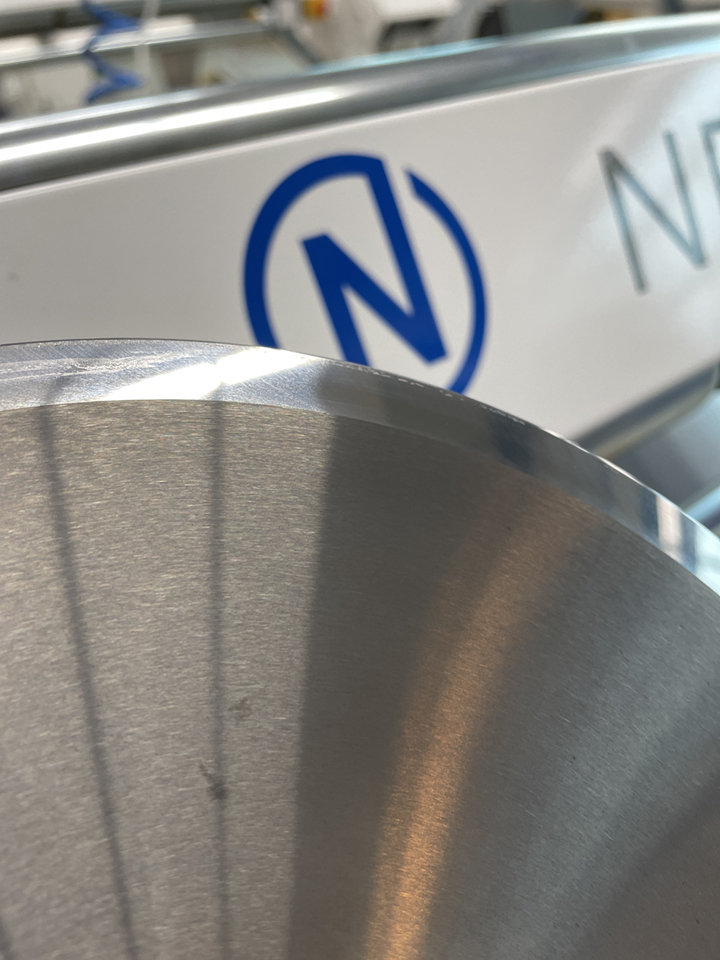
The alternative: solid carbide blades. If you need a very sharp edge, you can also use a carbide blade. It makes a real difference, particularly when working with tough materials: perfect cut edges, no smearing, no fraying. They also offer a long service life. They stay sharp 3 to 5 times longer than standard HSS steel blades. This means you need to change blades much less frequently, grind them less often and thus enjoy greater process reliability. Find out more about slitting in this video: https://www.youtube.com/watch?v=Z9VdDLhCPgo Send us your enquiry for our sharpening service here Previous articles in our slitting series: #1 – Which blade for which purpose